
Last updated October 31, 2026
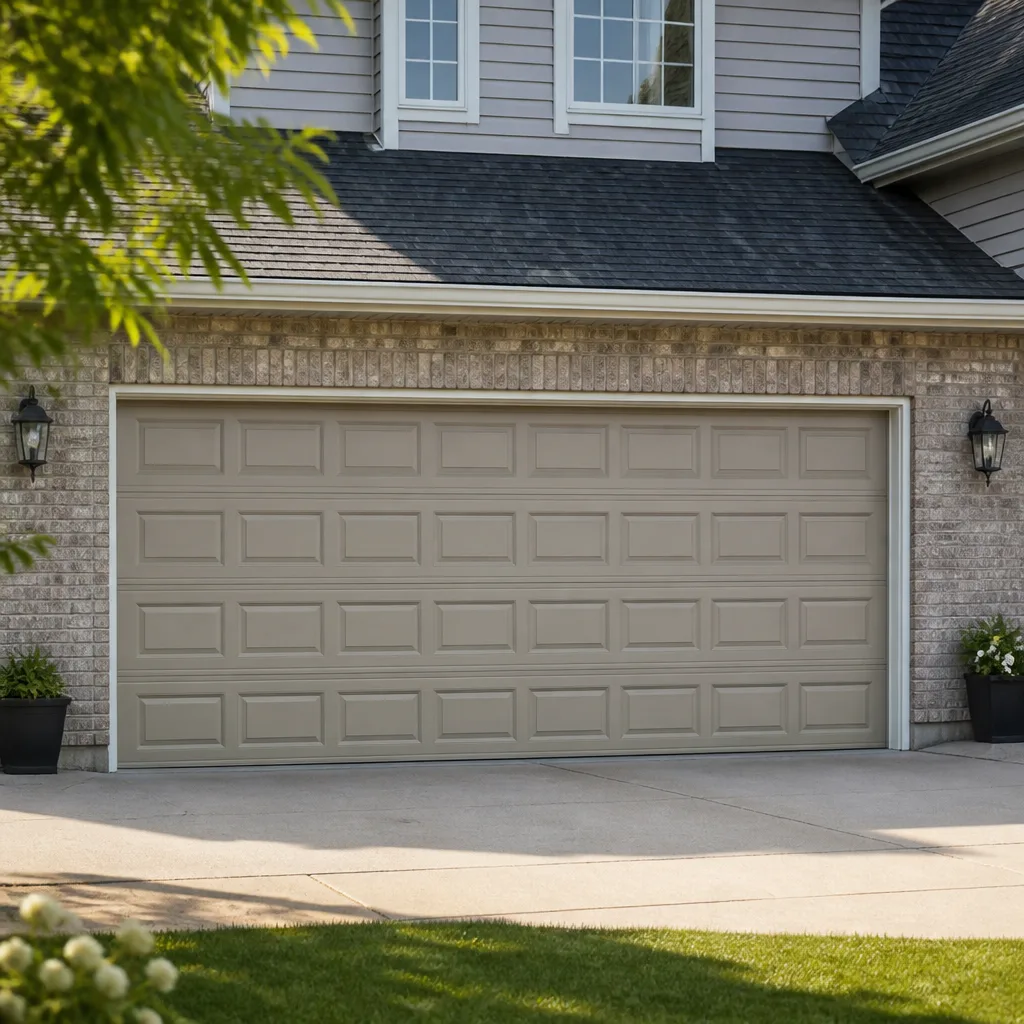 Raised-panel steel
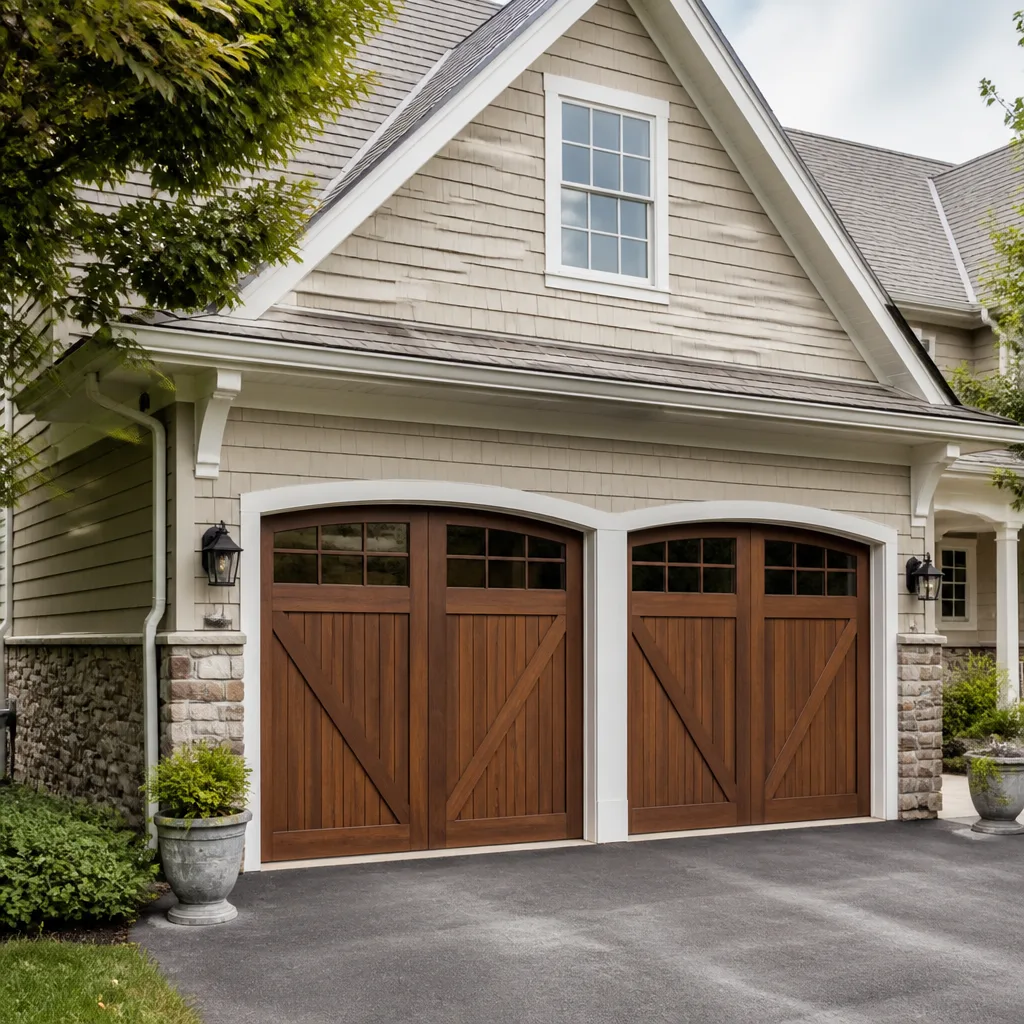 Carriage house
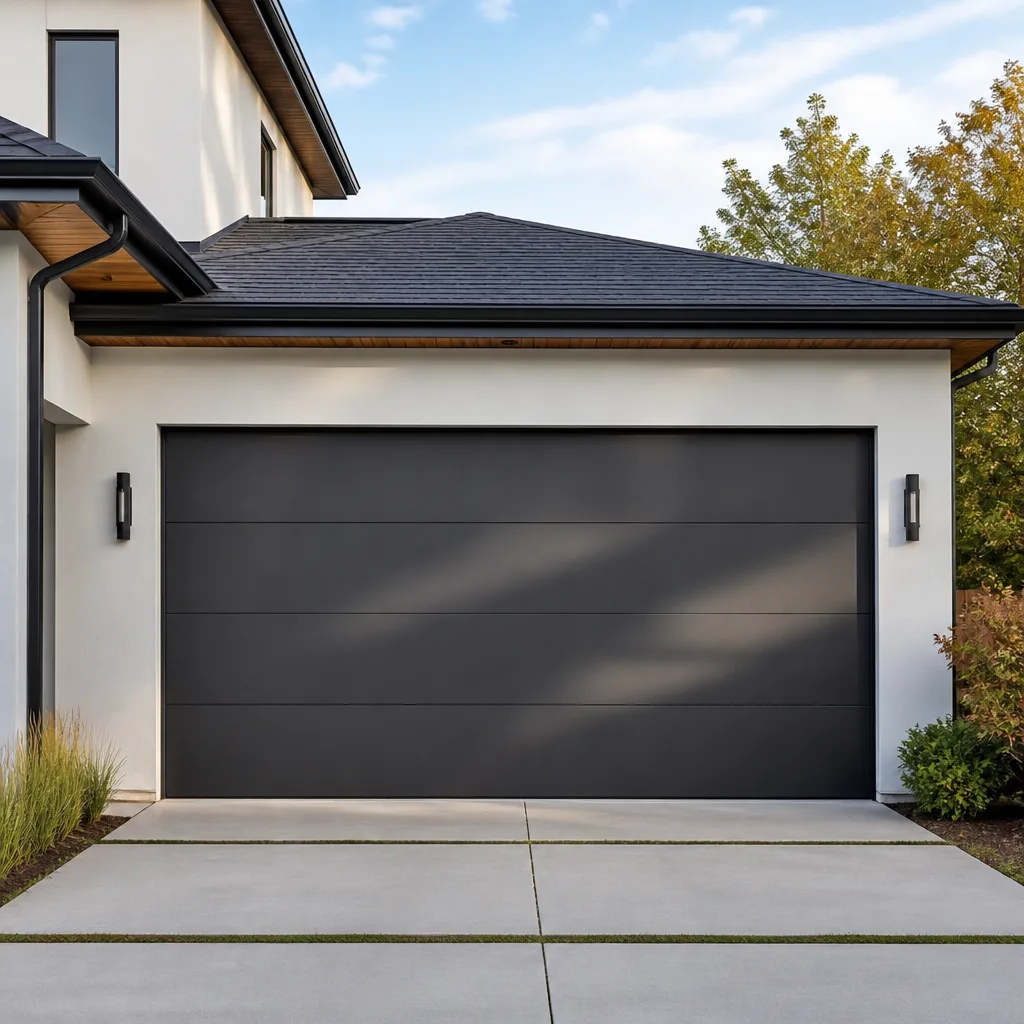 Modern flush
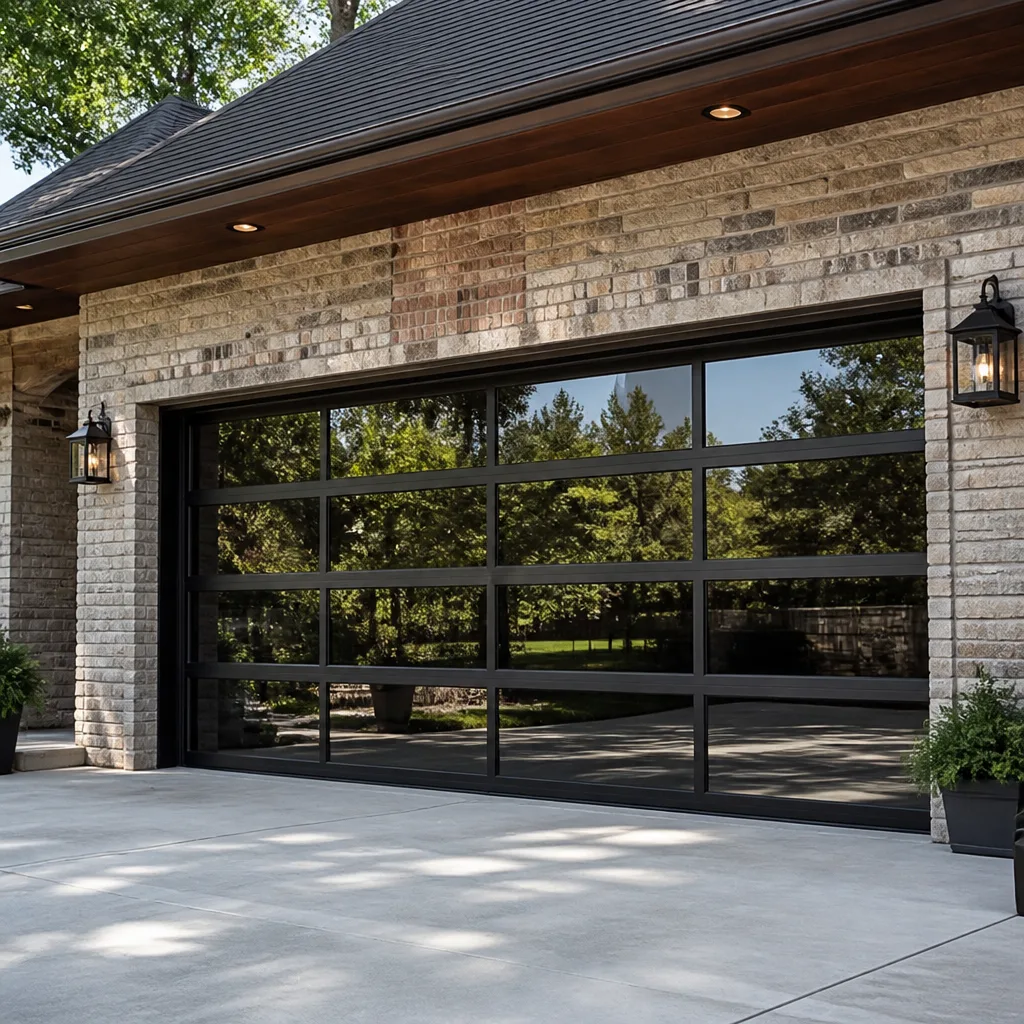 Full-view glass
 LiftMaster openers
 Chamberlain openers
Full 25-point door and opener safety check with every visit - springs, cables, rollers, tracks, and your LiftMaster or Chamberlain opener included
You get a price before we start. It does not change when the truck arrives.
Get your free estimateGarage Door Permits, Codes & Inspections in CA: What You Need to Know
A neighbor in Anaheim replaced his entire garage door last spring. Solid wood, new tracks, new opener. Six months later he listed the house. The buyer’s inspector flagged one thing: no permit on record. The sale nearly collapsed over what he’d dismissed as “just a door.” Here’s the thing most California homeowners miss: some garage door work requires a permit, some doesn’t, and the line between the two isn’t where you’d expect. This guide maps that line, walks through Anaheim’s specific process, and shows you how to stay ahead of it.
Styles & brands we work with
Quick Answer
Most garage door repairs in California don’t need a permit. Replacing an entire door assembly, altering the opening, or installing a new door on a garage attached to living space often does. In Anaheim, the Building Division reviews garage door permit applications for structural, fire-rating, and wind-load compliance, and a final inspection is typical for permitted replacements.
Table of Contents
- The California Repair vs. Replacement Threshold
- Anaheim’s Permit Process for Garage Doors
- Fire-Rated Door Requirements: What Surprises Homeowners
- What Happens When Unpermitted Work Shows Up
- Who Pulls the Permit: Contractor or Homeowner?
- California Code Basics: Wind, Seismic, and Structural
- Step-by-Step: How to Handle Permits the Right Way
- Common Mistakes to Avoid
- When to Call a Professional
- Frequently Asked Questions
- The Bottom Line
The California Repair vs. Replacement Threshold
California Building Code (CBC) draws a line between “repair” and “alteration,” and that line determines whether a permit is required. The CBC defines a repair as work that restores something to its original condition without changing its function or configuration. Replacing a broken spring, swapping out a bent track section, or installing a new opener on an existing door? Those are repairs. No permit. An alteration changes the structure, opening, or fire-resistance of the assembly. That’s where permits enter the picture.
Here’s the practical breakdown we work with every day in Anaheim:
- No permit needed: spring replacement (torsion or extension), cable replacement, roller and hinge replacement, track realignment, opener replacement on an existing door, panel repair on a single section, weather seal replacement, sensor adjustment.
- Permit generally required: replacing the entire door and track assembly, changing the opening size (widening, heightening), converting a wall opening into a garage door opening, installing a door where none existed before, or replacing a door on an attached garage where the existing door was fire-rated.
The last point trips up more Anaheim homeowners than any other. If your garage shares a wall or ceiling with living space, the door separating them isn’t just moving metal. It’s part of your fire-protection system. Swap that door for a non-rated model without a permit, and you’ve quietly downgraded your home’s safety envelope. The permit process exists to catch exactly that. When we handle garage door repair in Anaheim, part of the job is knowing which category the work falls into before we quote it.
One more nuance: “like-for-like” replacement. If you replace a door with an identical model of the same dimensions and same fire rating, some jurisdictions treat it more leniently. But Anaheim’s Building Division still wants to see the specs, particularly for attached garages. Don’t assume. Ask.
Anaheim’s Permit Process for Garage Doors
The City of Anaheim Building Division handles garage door permits through its online portal and in-person counter at City Hall. The process for a standard residential door replacement typically follows four steps:
- Confirm the requirement. Call or email the Building Division with your address and describe the work. A plans examiner will confirm whether the project crosses the permit threshold. This call costs nothing and prevents expensive backtracking.
- Submit the application. Include the door specifications: manufacturer, model, dimensions, fire rating (if applicable), wind-load rating, and installation method. Photos of the existing opening help. Most Anaheim homeowners complete this online.
- Pay the fee. Residential garage door permit fees in Anaheim are modest, typically in the low hundreds of dollars, though final cost depends on project valuation and any plan review required. The Building Division publishes a fee schedule.
- Schedule the inspection. Once installation is complete, an Anaheim building inspector verifies the door is installed per code: correct fire rating, proper anchoring, safety sensor operation, and compliant track installation.
In our experience, the Anaheim inspection step is straightforward when the installer knows the code. The inspector checks what they can see: the door label showing fire rating, the anchoring at the jambs, the opener’s auto-reverse function. Most inspections take under 20 minutes.
Timeline: plan review for a simple residential door in Anaheim is usually same-week. Installation follows, then inspection within a few days of scheduling. Total process from application to sign-off runs one to three weeks for most homeowners. For anyone in the middle of a garage door installation in Anaheim, coordinating the permit alongside the install keeps everything moving without a lapse.
Fire-Rated Door Requirements: What Surprises Homeowners
This is the single most commonly misunderstood code point in California garage door work. If your garage is attached to your house, or sits beneath living space, the door between garage and house interior (and often the garage vehicle door itself) carries a fire-resistance rating. The CBC requires a 20-minute fire-rated door assembly for garages attached to residences, per Section R302.5. That means the door, its frame, and the surrounding wall assembly must collectively hold back fire and smoke for at least 20 minutes.
What does this mean in practice? When you replace a vehicle door on an attached garage in Anaheim, the replacement door must meet the same rating the original carried, if the garage’s fire separation relies on it. Many homeowners assume a steel door is automatically fire-rated. It isn’t. Fire-rated doors carry a certification label, usually a metal plate or embossed stamp from a testing agency like UL or Warnock Hersey. No label, no rating.
The surprise lands during inspection. Homeowner picks a door they like. Installer mounts it. Inspector arrives, looks for the label, finds none. Door comes down, gets returned, new door goes up. That’s a week of inconvenience and double labor costs. We’ve flagged this before quoting because the fix is cheap upstream: confirm the rating at purchase, not at inspection.
Door brands like Clopay, Amarr, and Wayne Dalton all produce fire-rated residential models, but each line has rated and non-rated variants. The model number tells you. Brands like Craftsman focus on openers more than door assemblies, so the rating conversation applies to the door slab and frame, not the opener motor. The person installing should know the difference.
What Happens When Unpermitted Work Shows Up
Unpermitted garage door work surfaces in three places: title records, insurance claims, and buyer inspections. Each carries its own consequence.
Title and resale. In California, permitted work attaches to the property record through the county assessor and building department. When a seller lists a home, disclosure forms ask about improvements. Unpermitted work that isn’t disclosed becomes a material omission if discovered later. Buyers’ inspectors routinely cross-reference the home’s construction history. A garage door with no matching permit triggers questions. Deals renegotiate or fall apart. The Anaheim neighbor in the opening learned this the hard way: his $2,800 door became a $9,000 negotiating concession at the closing table.
Insurance claims. Here’s where it gets genuinely costly. If a fire starts in the garage and the door was replaced without a permit with a non-fire-rated unit, the insurer can argue the unpermitted alteration contributed to the loss. California insurers have denied or reduced claims on this basis. The fire rating isn’t a formality. It’s part of what you’re insuring.
Lender scrutiny. During refinancing or purchase financing, some lenders flag unpermitted work on appraisals. The appraiser notes “garage door replaced, no permit on record.” The underwriter pauses. Now you’re retroactively pulling a permit, which means opening walls if the inspector needs to see framing or anchoring. Retrofitting permits cost more than pulling them upfront.
The through-line: the permit is cheaper than the problem it prevents. Always.
Who Pulls the Permit: Contractor or Homeowner?
Technically, in Anaheim and most California cities, the property owner is ultimately responsible for ensuring required permits are obtained. Practically, reputable contractors pull the permit as part of the job. Here’s how it plays out:
- Reputable contractor: includes permit cost in the quote, files the application with Anaheim’s Building Division, schedules the inspection, and meets the inspector on site. The contractor’s name and license go on the permit. This is how it should work.
- Homeowner-assisted: for simpler replacements, the homeowner files the permit themselves while the contractor provides specs and handles the installation. Common when the contractor is licensed but the homeowner wants to control the paper trail.
- Red flag scenario: contractor says “you don’t need a permit for this” without a clear code reference to back the claim. Any contractor who dismisses permits wholesale should be able to explain why this specific project falls below the threshold. If they can’t cite the code section, get a second opinion.
Our position at Ranger Garage Door Service is simple: we quote the job, we identify the permit requirement (or lack of one), and we handle the paperwork when a permit is needed. The homeowner signs the application. The job doesn’t start until the permit is either issued or formally waived. That’s not bureaucracy. That’s protecting the person who owns the house.
For any work involving a garage door opener, the permit question rarely applies to the opener itself, but the safety compliance question does: UL 325 standards govern auto-reverse mechanisms. That’s an inspection point even when no permit is required. Our garage door opener repair in Anaheim work covers both the mechanical and electronic components that inspectors look at.
California Code Basics: Wind, Seismic, and Structural
Beyond fire ratings, California’s garage door code requirements cluster around two environmental realities: wind and seismic forces. Anaheim sits in a moderate seismic zone and sees Santa Ana wind events each fall. Both factor into code.
Wind-load rating. The CBC requires garage doors to resist wind pressures specific to their exposure category. Anaheim falls into exposure B or C depending on the terrain around the property. A door rated for exposure B installed in an exposure C area can deflect or fail during a strong Santa Ana event. Wind-rated doors carry a design pressure (DP) rating on their label. The inspector checks it.
Seismic anchoring. Steel track systems anchor into the wall framing at the jambs and header. The anchoring detail matters. Shallow screws into drywall won’t hold during lateral movement. Code requires anchoring into structural members: studs, header, or solid blocking. Homes built before current seismic standards sometimes have thinner garage wall framing, which changes the anchoring approach. We’ve installed doors in Anaheim neighborhoods from the Colony Historic District to newer developments east of the 55, and the wall construction varies enough that the anchoring detail changes job to job.
Safety sensor compliance. Every residential garage door opener in California must comply with UL 325, which mandates photo-eye sensors and auto-reverse. If the door won’t reverse on obstruction, it fails inspection. This applies whether the job needs a permit or not. It’s also a leading cause of failed final inspections in our experience: everything else passes, but the sensors are misaligned or bypassed.
Door manufacturers including Clopay and Amarr publish wind-load charts for their product lines. Wayne Dalton’s residential series includes models with varying DP ratings. The spec sheet on the door, not the marketing copy, tells you what it’s actually rated for. When we handle a door replacement, we match the door to the opening’s exposure requirements and the existing wall construction. That’s the difference between an installation that passes inspection and one that’s code-compliant on paper only.
Step-by-Step: How to Handle Permits the Right Way
Here’s the clean path for a garage door project in Anaheim, start to finish:
- Determine the scope. Write down exactly what’s changing: door only? Door plus tracks? Opener? Opening size? The scope determines the threshold.
- Check with Anaheim Building Division. One phone call or email. Give them the address and scope. Get a verbal or written determination. Free, fast, and authoritative.
- Hire with the permit in mind. Confirm with your contractor who files the application. Get the permit fee in writing as a line item. Any contractor who won’t discuss permits before quoting is not the contractor for the job.
- Confirm the door specs. Fire rating if attached garage. Wind-load DP rating for the exposure zone. Dimensions. Keep the spec sheet.
- File the application. Contractor or homeowner files with Anaheim. Fee paid. Permit issued. Work begins only after issuance for work that requires a permit.
- Install. Door goes in per manufacturer instructions and CBC requirements. Sensors aligned. Anchoring secure. Label visible.
- Inspect. Anaheim inspector comes out, verifies the work, signs off. The permit finalizes and the record updates.
- Keep records. Store the permit, inspection sign-off, and door spec sheet together. You’ll want this when you sell.
This sequence works whether you’re doing a full replacement, a first-time installation, or bringing an unpermitted previous job into compliance. The order matters: determination before purchase, purchase before installation, installation before inspection.
Common Mistakes to Avoid
- Assuming “it’s just a door.” This phrase has cost Californians more money than any other in residential construction. The permit threshold exists in code, not in opinion. Check before you buy.
- Buying a non-fire-rated door for an attached garage. The door looks right, matches the house, installs cleanly, and fails inspection. Now you’re paying for two doors and two installs. Confirm the rating at purchase.
- Letting the contractor “handle it” with no written confirmation. Verbal assurance means nothing when the inspector shows up and there’s no permit on file. Get the permit number before work starts.
- Skipping the permit to save the fee. A few hundred dollars upfront becomes thousands at resale, refinance, or claim time. The math never works in favor of skipping it when a permit is required.
- Replacing the opener without checking sensor compliance. The permit question doesn’t apply, but the safety standard does. An opener that fails UL 325 is a liability even if no inspector ever looks at it.
- Ignoring wind-load ratings. A door rated for a lower exposure zone will fail during Santa Ana winds. The failure doesn’t announce itself; it shows up as rattling, bowing panels, and eventual track separation.
- Filing for a permit after the work is done. Retroactive permits cost more, require more inspection, and sometimes mean opening walls. Pull it before, not after.
When to Call a Professional
You need a professional garage door contractor when the project involves any door that attaches to living space, any change to the opening dimensions, or any replacement of a full assembly. The code cross-references fire, wind, seismic, and safety systems. A contractor who only installs doors won’t know how the door interacts with the wall’s fire-separation requirements. A contractor who can’t tell you the DP rating of the door they’re quoting isn’t the right contractor. Ranger Garage Door Service works across the full repair-to-installation range and handles permit paperwork for Anaheim jobs. Our Ranger Garage Door Service home page covers our service area and approach. Call (877) 752-4135 for a free estimate in Anaheim, and we’ll tell you whether your project needs a permit before we quote the work.
Frequently Asked Questions
It depends on the scope. Replacing individual parts like springs, cables, or rollers doesn’t require a permit. Replacing the entire door and track assembly, especially on an attached garage, typically does. In Anaheim, call the Building Division or ask your contractor to confirm before ordering the door. For an exact determination on your project, call (877) 752-4135 and we’ll walk through the scope with you.
Residential garage door permit fees in Anaheim typically run in the low hundreds of dollars, varying with project valuation and plan review requirements. The Building Division publishes a fee schedule online. The permit fee is almost always the smallest line item in the project budget, and the cheapest insurance against resale problems.
You’ll face retroactive permitting, which means higher fees, more invasive inspections, and potential fines. Worse, if you sell the home and an inspector flags the unpermitted door, you’ll renegotiate under pressure. Unpermitted work that compromised a fire-rated assembly can also factor into insurance claim denials.
No. Openers don’t require building permits. They do require compliance with UL 325 safety standards, including functional auto-reverse and photo-eye sensors. An opener install can fail a home inspection if the safety features don’t work, even without a permit involved. Our garage door opener repair in Anaheim service includes sensor alignment and safety compliance checks.
Only for garages attached to living space or located beneath occupied rooms. Detached garages don’t require fire-rated vehicle doors. The code section is CBC R302.5, and the 20-minute rating applies to the door assembly when that assembly provides the required separation. Check the door label for a UL or Warnock Hersey certification stamp.
Yes, Anaheim issues permits to homeowners for their own residential projects. You file the application, do the install, and schedule the inspection. The risk is that most DIY installs fail the first inspection due to anchoring, sensor alignment, or fire-rating documentation. A licensed contractor familiar with Anaheim’s process handles this daily. For garage door installation in Anaheim, estimates are free.
The Bottom Line
California garage door permits hinge on one distinction: repair versus replacement. Fix a spring, no permit. Replace an entire door on an attached garage, get a permit. The fire-rating requirement for attached garages is the code point that matters most, and the one people miss most often. In Anaheim, the process is straightforward: confirm the requirement, file the application, install to code, inspect. The permit fee is a fraction of what unpermitted work costs at resale or during a claim. Handle the paperwork first, and the door will never become the reason a deal falls apart or a claim gets denied.
Written by the team at Ranger Garage Door Service, serving Anaheim since 2018.
See the difference
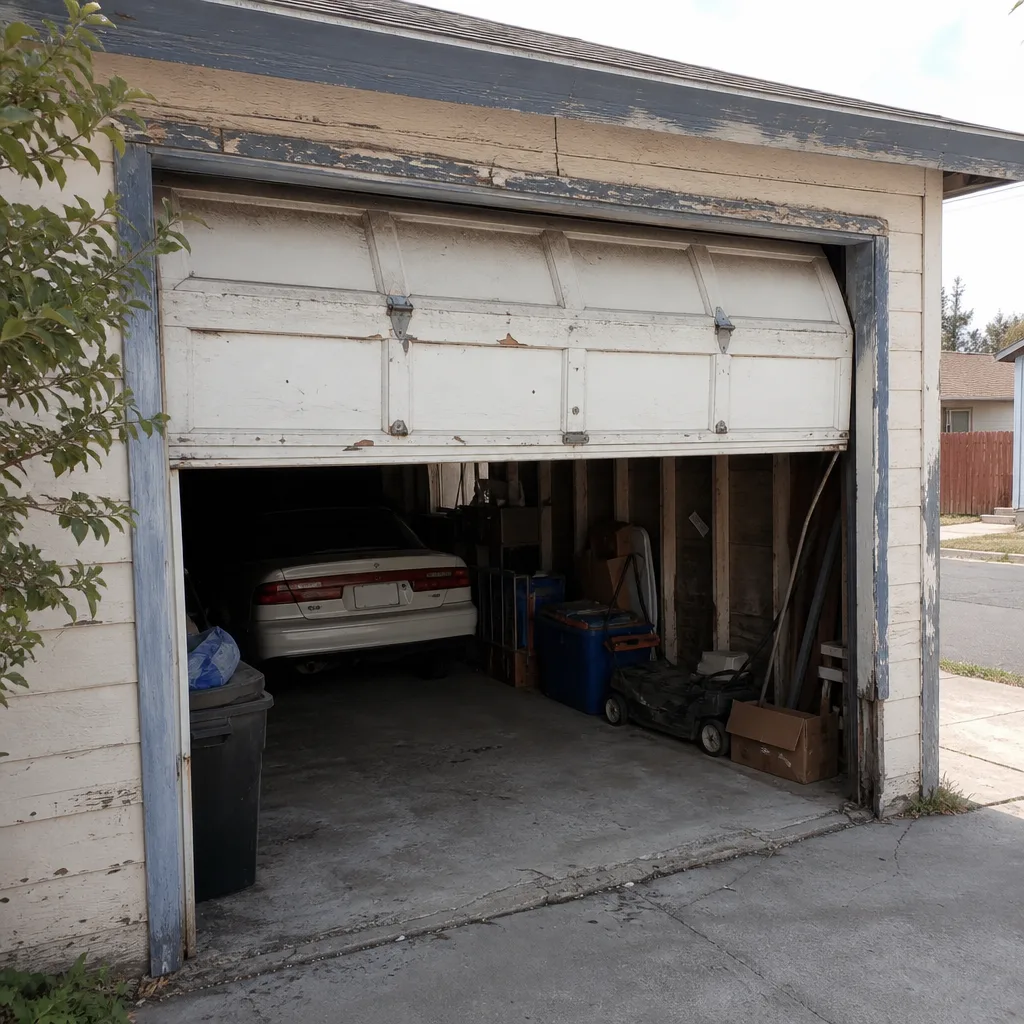 Before
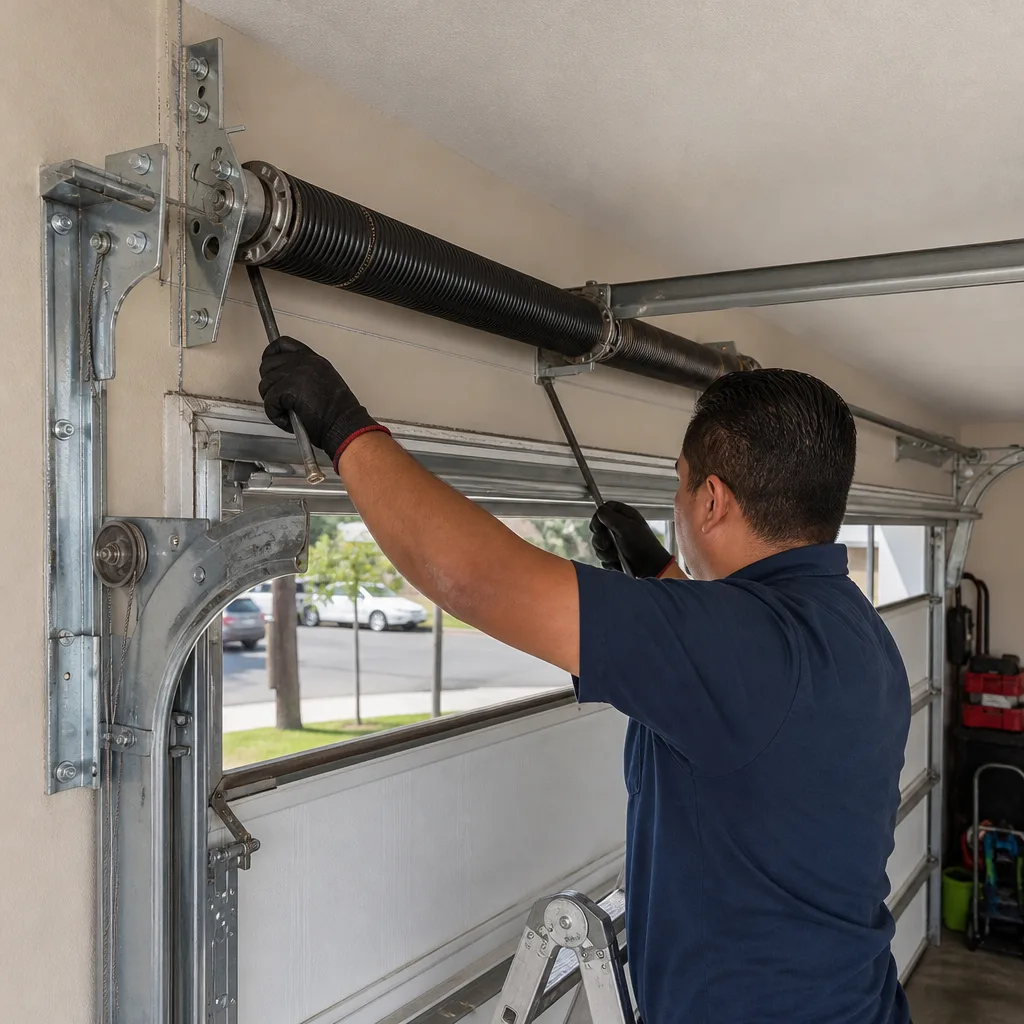 After
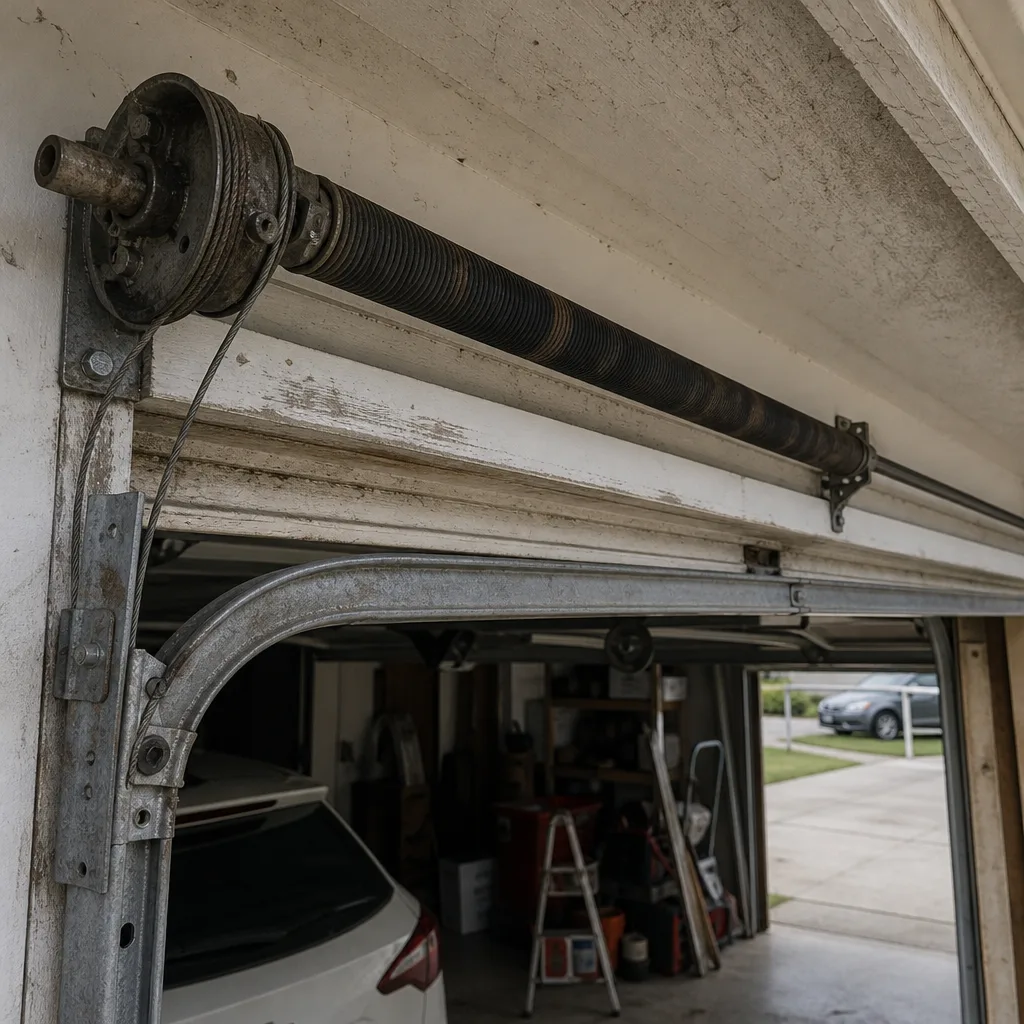 Before
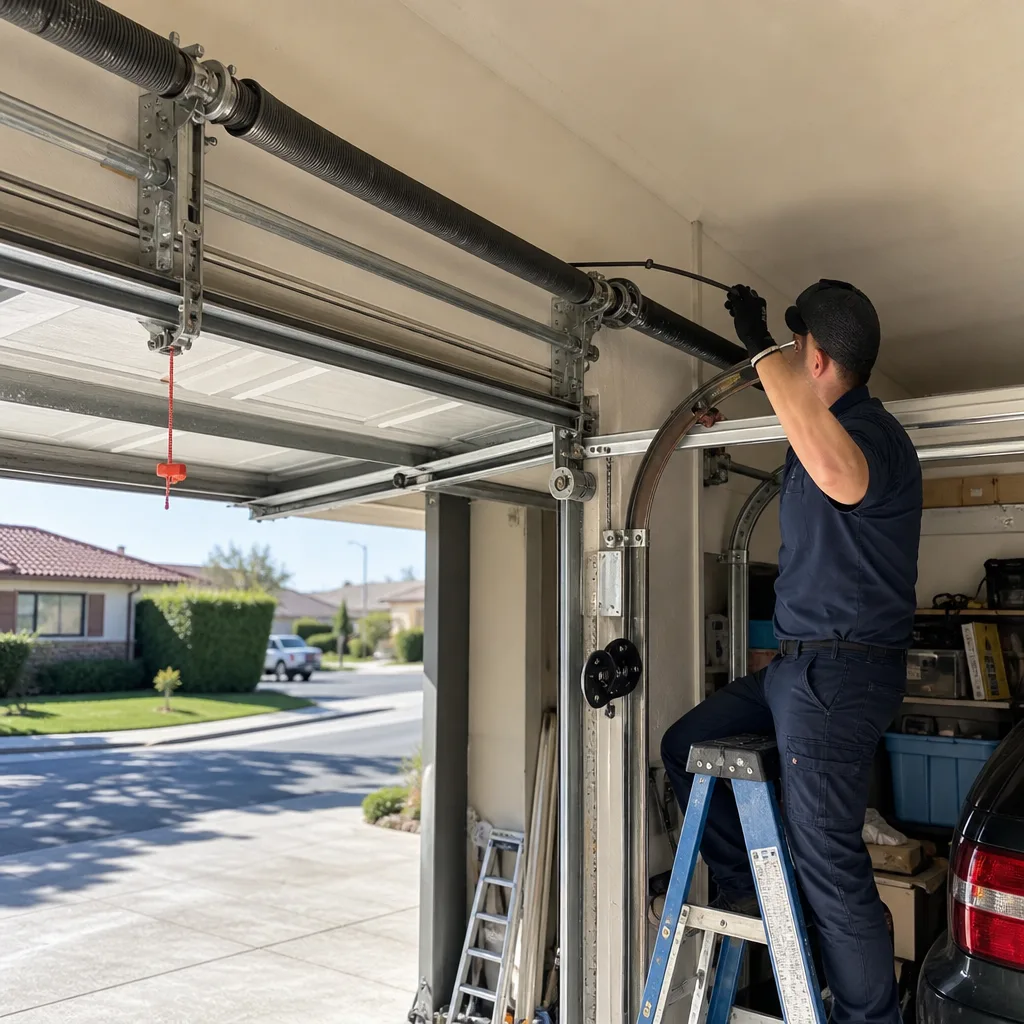 After
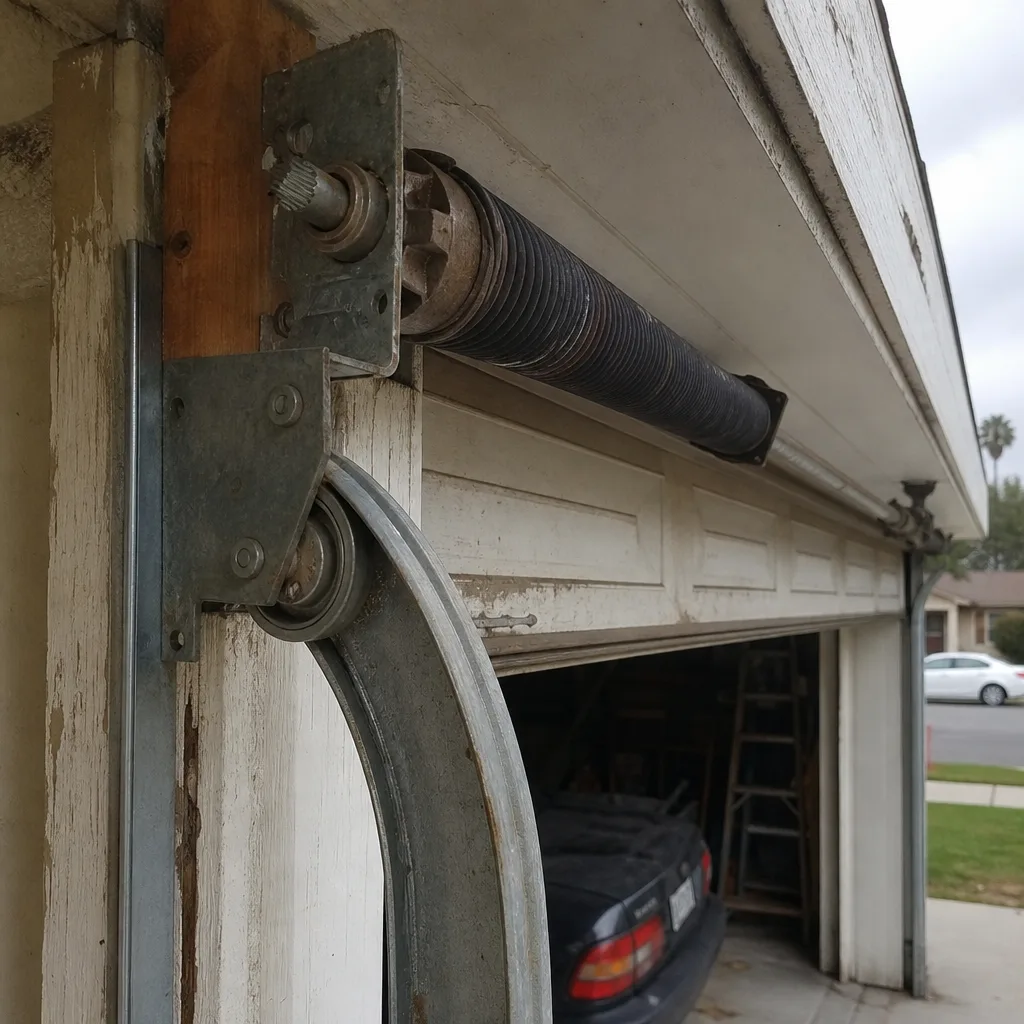 Before
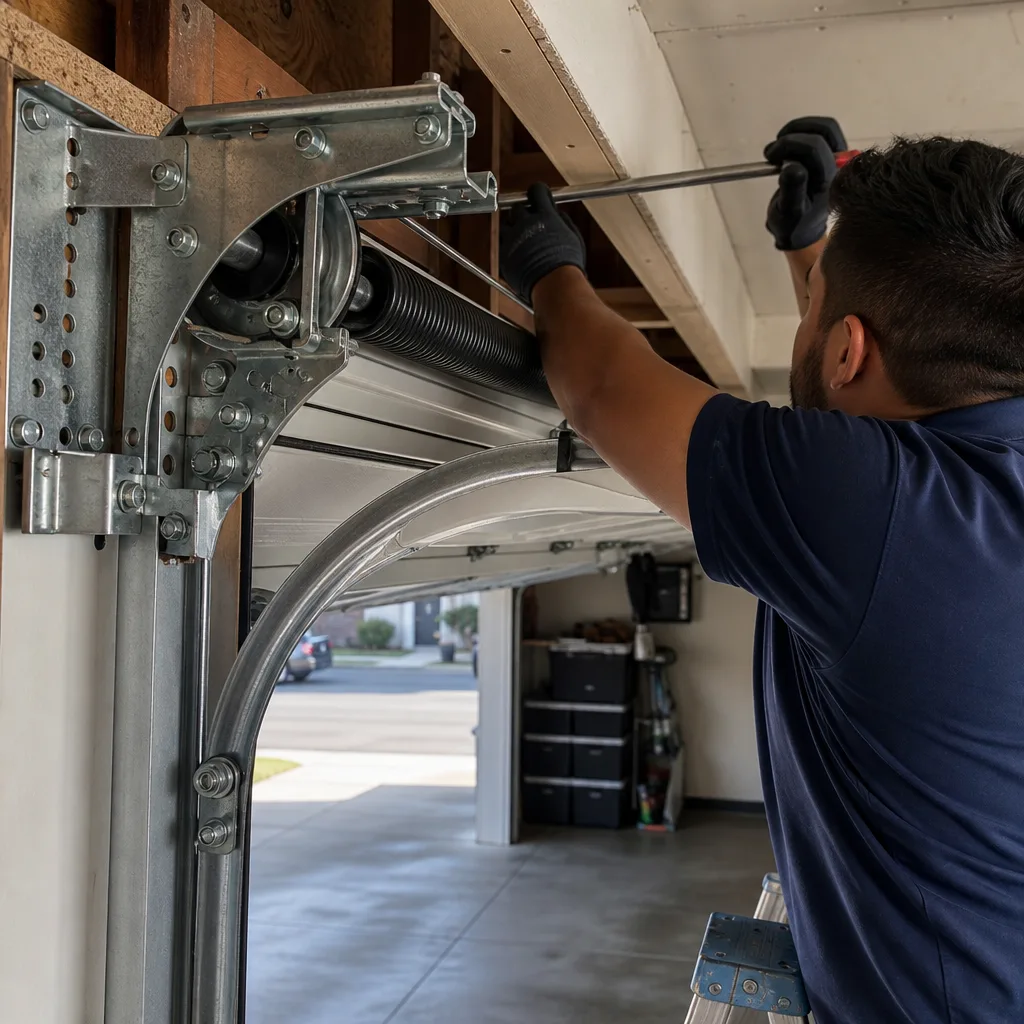 After