Last updated October 31, 2026
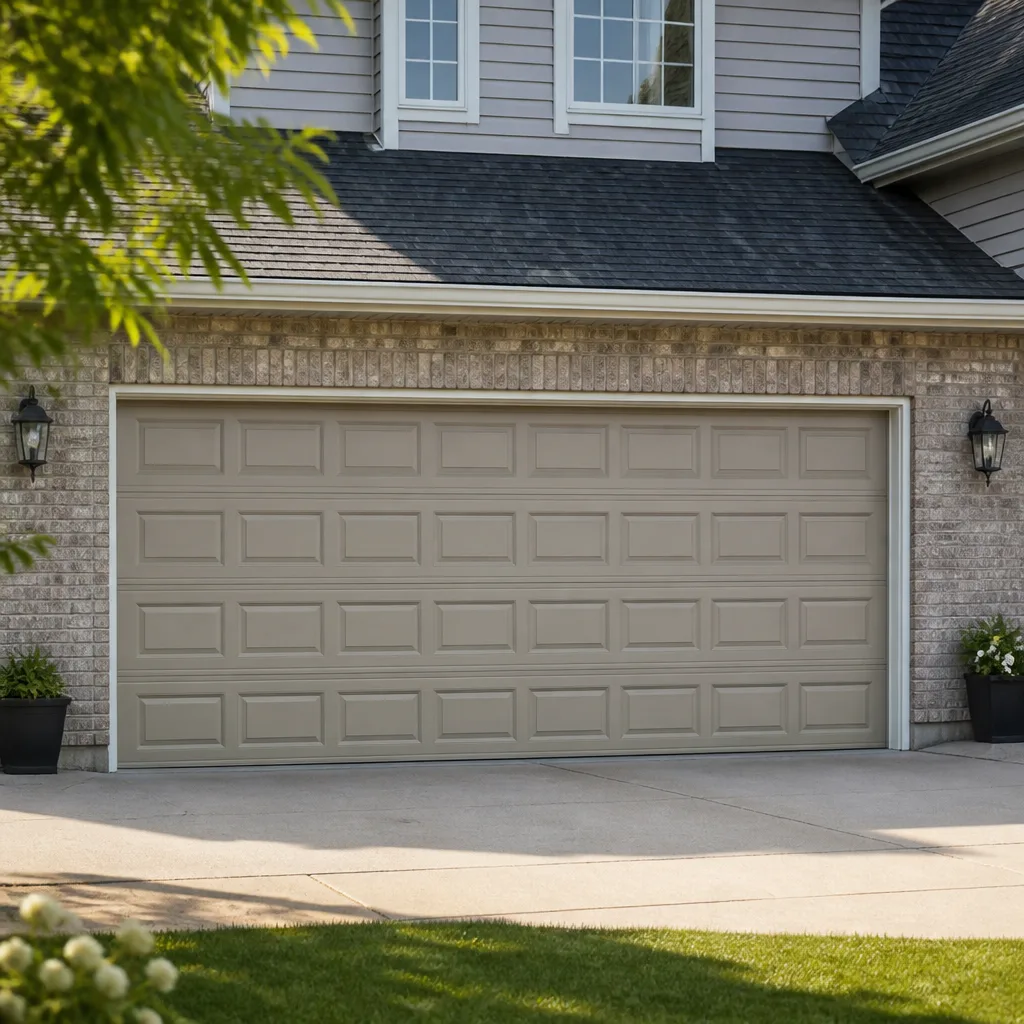 Raised-panel steel
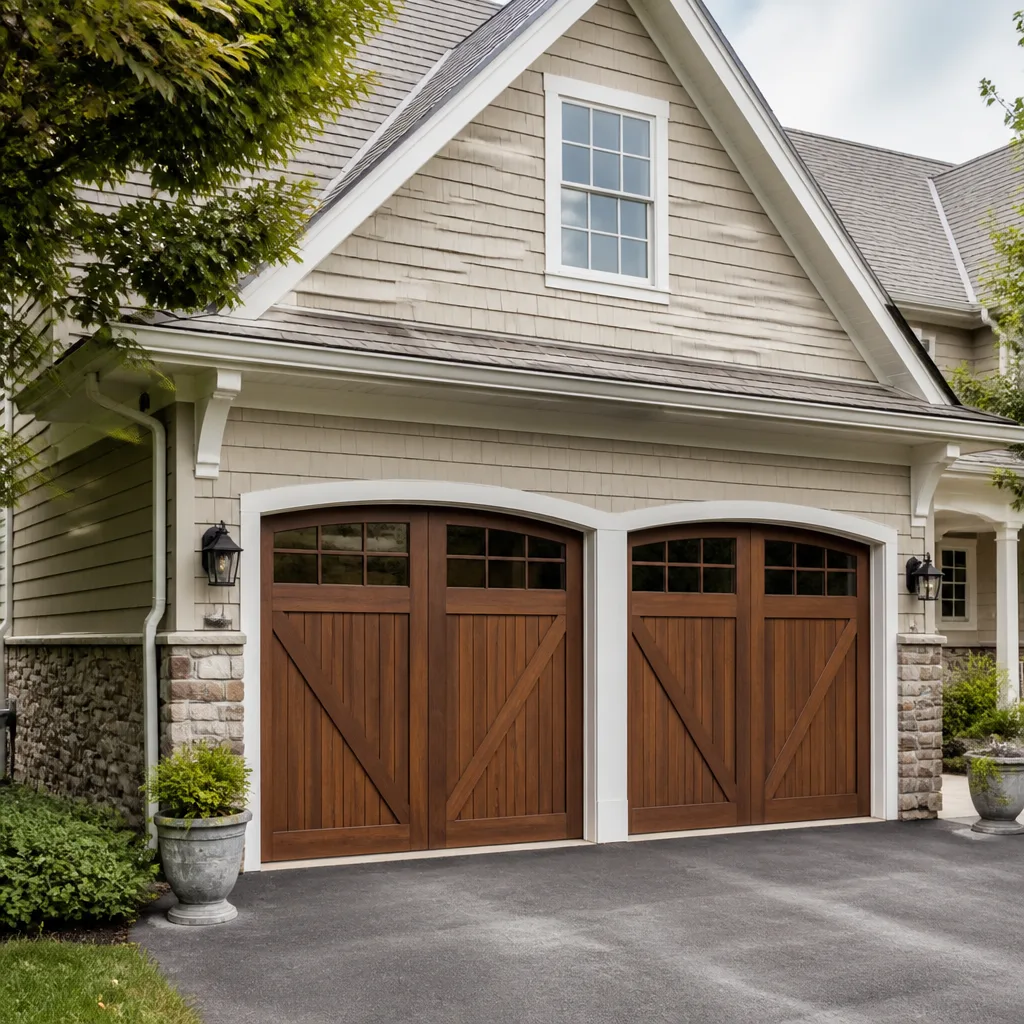 Carriage house
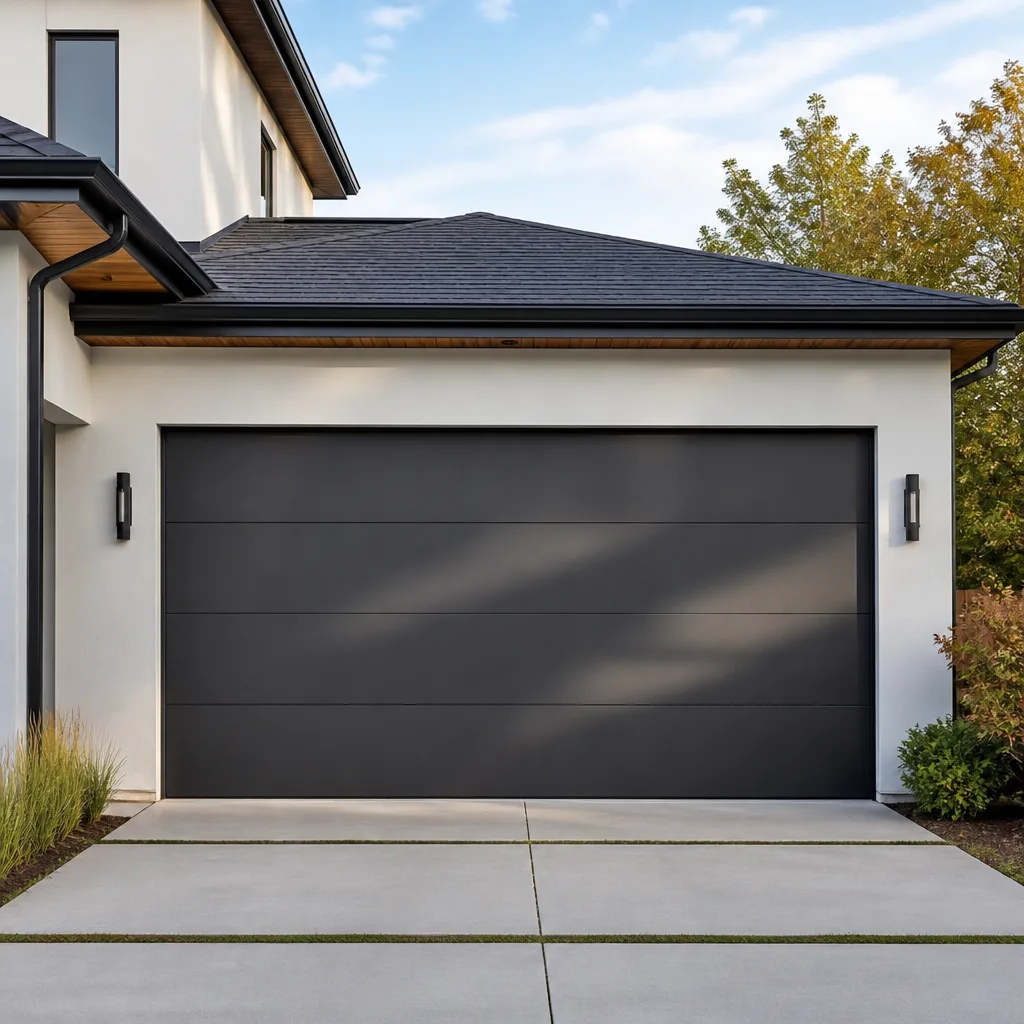 Modern flush
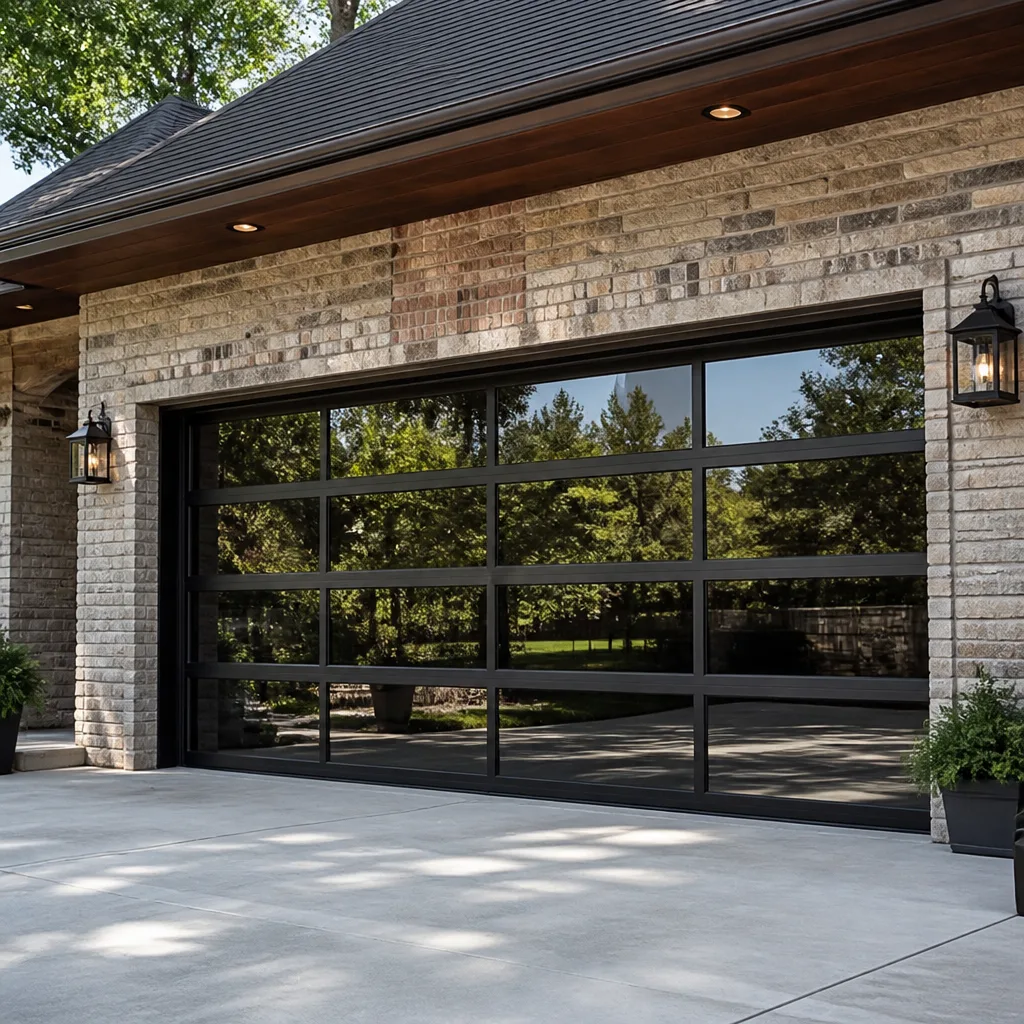 Full-view glass
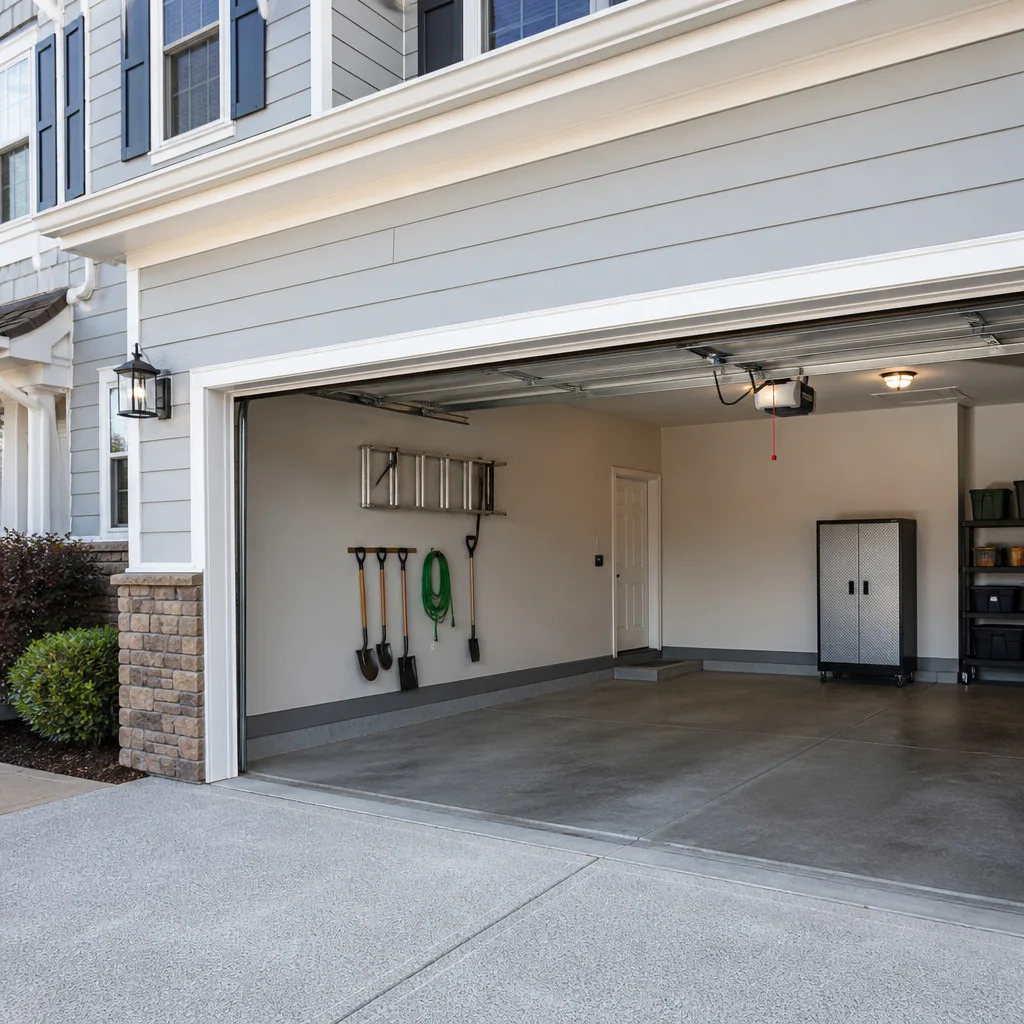 LiftMaster openers
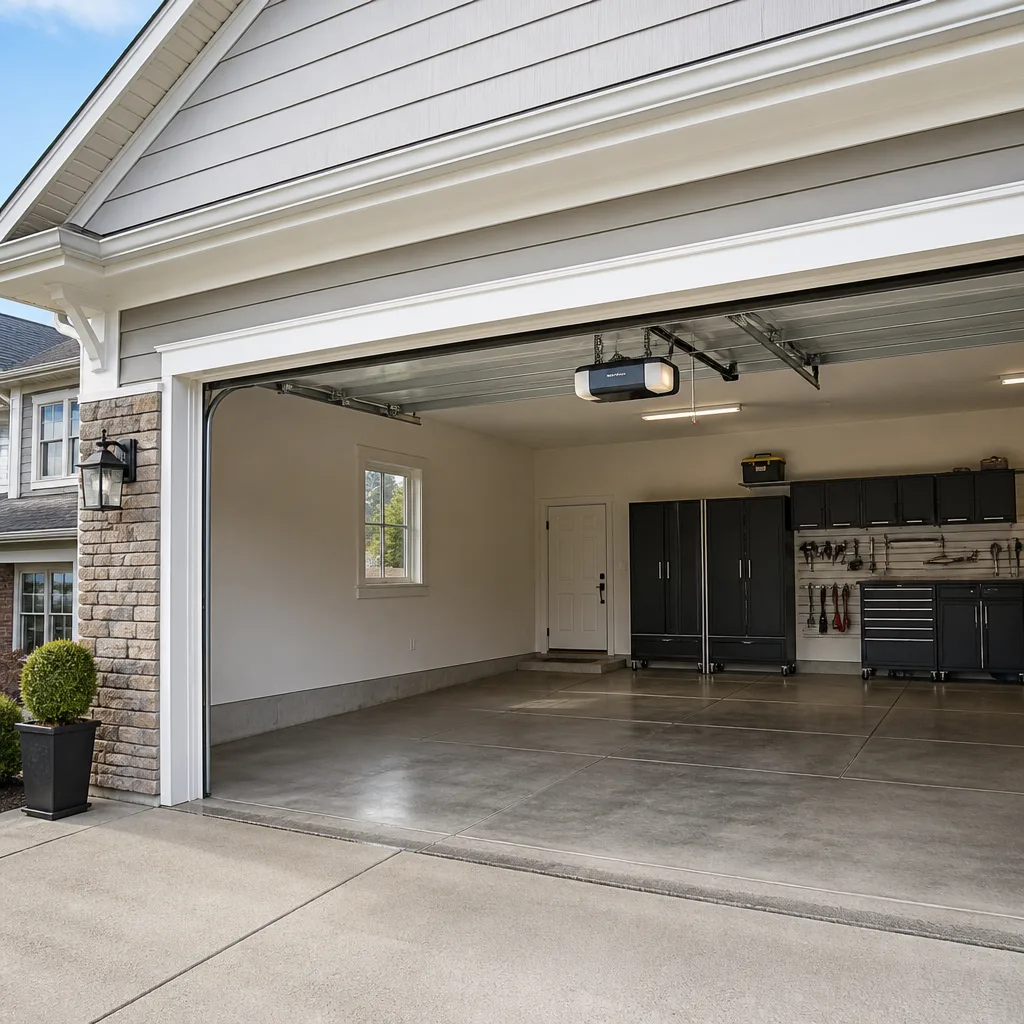 Chamberlain openers
Full 25-point door and opener safety check with every visit - springs, cables, rollers, tracks, and your LiftMaster or Chamberlain opener included
You get a price before we start. It does not change when the truck arrives.
Get your free estimateSeasonal Garage Door Care for Anaheim: Year-Round Homeowner’s Guide
Anaheim gets maybe 13 inches of rain a year, and the temperature rarely dips below 45 degrees. So when national home-care websites tell you to winterize your garage door, most of that advice is written for Minneapolis or Chicago, not Orange County. Here’s what those guides miss: our climate has its own pressure points. Santa Ana winds that sandblast tracks with fine grit. Summer heat that pushes opener motors into thermal overload. UV radiation that breaks down weatherstripping faster than any frost ever could. The homeowners who treat their garage door as a set-it-and-forget-it feature are the ones who end up with a door that won’t open on a Tuesday morning before work. This guide covers what actually matters for garage doors in Anaheim, season by season, and what you can do in an hour this weekend to avoid a repair bill later. For a broader look at the topic, see our The Complete Guide to Garage Door in Anaheim.
Quick Answer
The smartest seasonal garage door maintenance schedule for Anaheim homeowners—detailed in The Complete Garage Door Repair Guide for Anaheim Homeowners—is: inspect tracks, rollers, and weatherstripping during Santa Ana wind season (September through February), check bottom seals and drainage before the winter rain months, run a full lubrication cycle each spring, and monitor opener motor temperature during summer heat waves. Exterior seals and painted steel doors also need sunscreen-grade protection from Southern California’s year-round UV exposure, which degrades rubber and vinyl compounds faster than most homeowners expect.
Styles & brands we work with
Table of Contents
- Anaheim’s Real Seasons: What Actually Wears Your Door
- Santa Ana Wind Season: Track Debris and Sensor Misalignment
- Winter Rain: Bottom Seals and Garage Floor Water
- Why Spring Is Anaheim’s Best Lubrication Window
- Summer Heat: Springs, Openers, and Thermal Cutoffs
- Year-Round UV Management for Steel and Vinyl Doors
- A Practical Anaheim Maintenance Schedule
- Common Mistakes to Avoid
- When to Call a Professional
- Frequently Asked Questions
Anaheim’s Real Seasons: What Actually Wears Your Door
Anaheim doesn’t have a winter in the Midwestern sense, but it absolutely has distinct stress periods that hit garage door components in predictable ways. We’ve worked on doors throughout the city, from the Anaheim Hills neighborhoods with their steeper driveways and wind exposure, to the flatlands near Disneyland where heat radiates off pavement all afternoon, and the patterns hold up. Each season attacks a different part of the door.
Here’s the breakdown of what our local climate actually does:
- Santa Ana winds (September through February): Dry, gusty winds carry fine dust and sand that settles into tracks, coats rollers, and works into the gap between panels. The pressure differentials these winds create also push lightly misaligned sensors further out of whack.
- Winter rain (December through March): Anaheim’s rain comes in short, intense bursts. Water pools near the garage door line, and a bottom seal that’s been quietly degrading all summer suddenly reveals itself.
- Summer heat (June through October): Garage interiors in Anaheim routinely hit 110 to 120 degrees during heat waves. That’s enough to trigger thermal protection circuits in older opener motors and accelerate wear on torsion springs that are already under constant tension.
- Year-round UV: Southern California’s sunshine isn’t seasonal. It’s a constant, and it breaks down rubber seals, nylon rollers, and exterior paint finishes on a calendar that has nothing to do with temperature.
Understanding these four stress periods changes the maintenance calendar. You’re not prepping for a deep freeze. You’re prepping for grit, water, heat, and sun, each on its own schedule.
Santa Ana Wind Season: Track Debris and Sensor Misalignment
Santa Ana winds in Anaheim kick up between September and February, and they bring two specific problems for garage doors. First, fine dust and sand particles get into everything: vertical tracks, roller bearings, and the channel where the opener rail meets the carriage. Second, the wind pushes against the door unevenly, which can knock safety sensors slightly out of alignment, especially on older installations where the sensor brackets have loosened over time.
Here’s a five-step inspection that takes about 20 minutes and catches most wind-season problems before they become repair calls:
- Wipe down the vertical tracks with a dry rag from top to bottom. Anaheim wind-blown grit acts like sandpaper on roller bearings. If you see fine dust caked inside the track channel, that’s what your rollers are grinding through.
- Check the safety sensor lenses near the bottom of the door opening. Dust film on the lens can cause intermittent reversal behavior. Wipe both lenses with a clean, dry cloth. Then check the small indicator lights: solid means aligned, blinking means the beam is broken or misaligned.
- Test the door balance by pulling the emergency release cord and lifting the door manually to waist height. It should stay put without drifting up or down. If it drops, the springs are losing tension, and that’s more likely to surface during windy periods when the door fights the wind load.
- Inspect weatherstripping along the sides and top for gaps. Santa Ana winds find every small opening and push dust directly into the garage. Gaps also whistle, which is annoying, but the real issue is the grit that collects inside the door channels.
- Tighten any visible bolts on the track brackets and hinge plates. Vibration from repeated wind gusts loosens hardware over the course of a season.
One pattern we see regularly in Anaheim during wind season: a door that reverses for no apparent reason. The homeowner assumes the opener is failing when the real problem is dusty sensors or a track slightly out of square from wind pressure. Our technicians arrive familiar with these systems because we service the brands Anaheim homeowners already have installed: LiftMaster, Chamberlain, Genie, Clopay, Amarr, Wayne Dalton, Craftsman, and Raynor. If the sensors check out and the door still acts up, that points to the opener electronics, and the Garage Door Opener Repair in Anaheim specialists at Ranger can diagnose it quickly.
Winter Rain: Bottom Seals and Garage Floor Water
Anaheim’s rainy season is short but real, usually a handful of storms between December and March with intense downpours sandwiched between long dry stretches. The damage to garage doors comes less from the rain itself and more from the standing water that collects at the door line when drainage can’t keep up.
The part most likely to fail during winter rain is the bottom seal, also called the astragal, which is the rubber or vinyl strip along the bottom edge of the door. In Anaheim’s dry climate, this seal quietly hardens and cracks during the nine months when no rain tests it. Then the first winter storm hits, water flows down the driveway, and every crack in that seal becomes a leak point.
Here’s how to assess water on the garage floor:
- Look for gaps between the seal and the concrete. Concrete garage slabs in Anaheim settle over time, especially in older neighborhoods with expansive soil. A seal can only compress so far. If the floor has uneven spots, water finds them.
- Check for cracks in the seal material itself. Run your hand along the bottom of the door when it’s closed. If the rubber feels stiff, brittle, or has visible splits, the seal is due for replacement.
- Determine whether the water is entering at the door line or from elsewhere. If water appears near the door but the seal looks intact, the problem might be drainage: a driveway that slopes toward the garage, clogged area drains, or a low spot on the apron. No seal replacement fixes grading that directs water into the garage.
Replacing a bottom seal on a standard Anaheim sectional door is usually a straightforward job on doors from major manufacturers like Clopay, Amarr, Wayne Dalton, and others. If you’re unsure whether your water issue is a door seal problem or a drainage problem, Ranger Garage Door Service home offers free estimates, and our team will tell you honestly which fix your house needs, even if that means referring you to a drainage contractor.
Why Spring Is Anaheim’s Best Lubrication Window
Most national guides tell you to lubricate your garage door in the fall, before winter. In Anaheim, that timing is backwards. Fall is when Santa Ana winds begin, and lubricant applied in September becomes a magnet for the fine grit those winds carry. By spring, the winds have died down and the rain has passed, which makes March through May the ideal window for a full lubrication cycle.
A proper garage door lubrication in Anaheim covers six points, and it takes about 30 minutes if you have the right product:
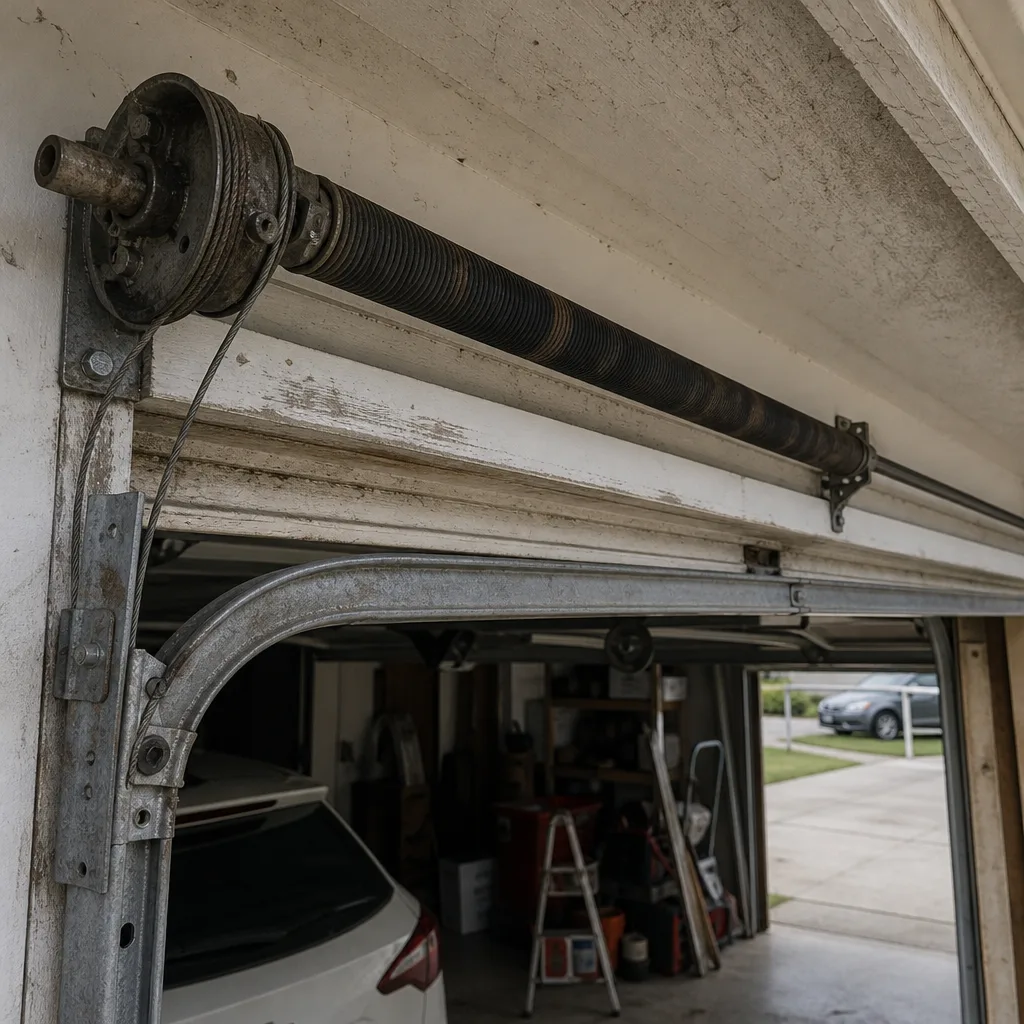
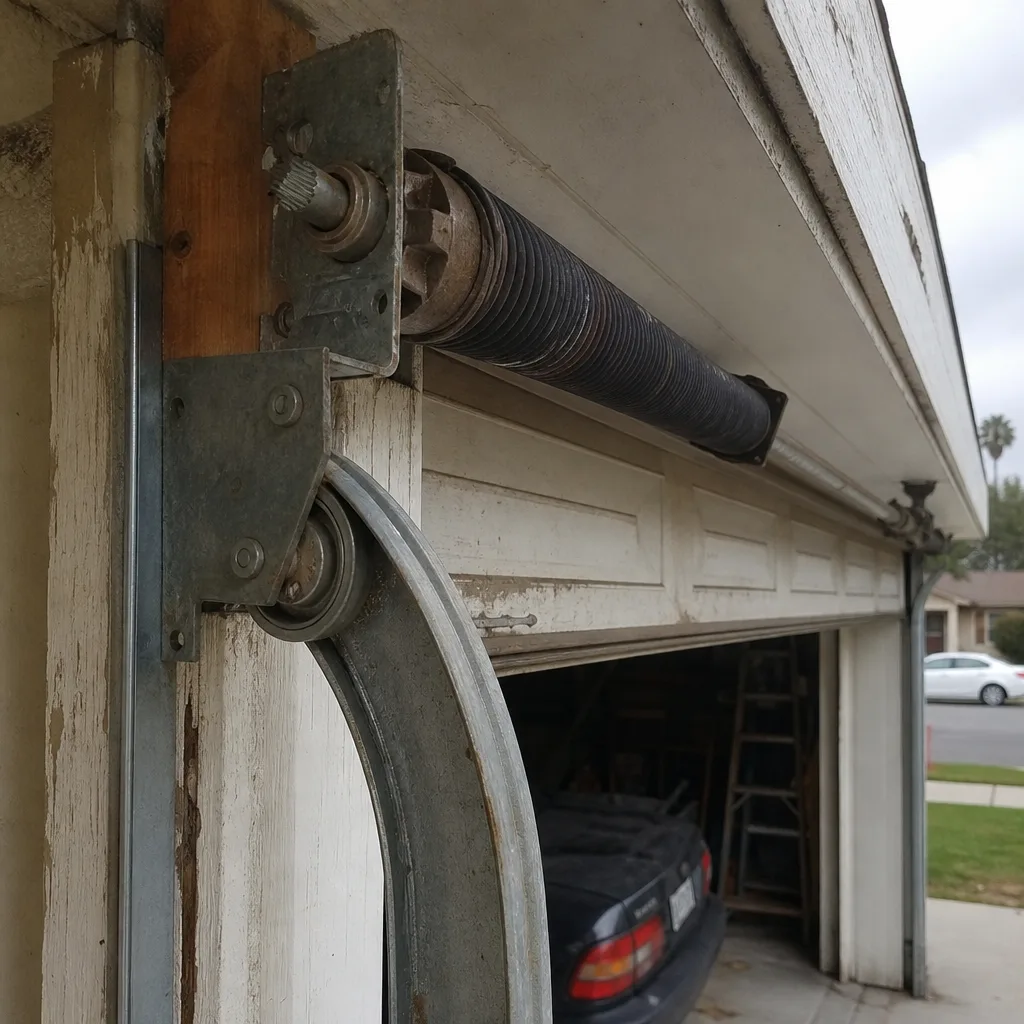
- Torsion springs. Use a spray lubricant designed for garage doors, not WD-40. Apply along the length of the spring where the coils meet. The goal is to reduce friction between coils as the spring winds and unwinds.
- Roller bearings. Put a drop at each roller axle where it meets the bearing. Skip the wheels themselves; the edges don’t need lubrication, and excess lubricant just drips onto the door.
- Hinge pins and pivot points at each panel joint. Anaheim’s dry air makes these squeak sooner than humid climates, and the noise is a warning that friction is wearing the parts.
- Opener rail for screw-drive and chain-drive openers. For belt-drive units, skip the belt but lubricate the rail underneath.
- Lock mechanism and torsion bar bearings if your door has a manual lock.
- Bottom seal. A light silicone spray keeps the rubber supple and helps it conform to the concrete.
Use a white lithium or silicone-based garage door lubricant, not penetrating oil. Penetrating oil cleans and breaks down rust, but it doesn’t leave the protective film a garage door needs. And if you’re lubricating a Genie or Chamberlain opener rail, check the owner’s manual for the recommended product; some screw drives call for specific grease formulations.
Summer Heat: Springs, Openers, and Thermal Cutoffs
Anaheim summer heat is hard on garage door openers, especially in homes where the garage faces west or has minimal insulation. When the interior garage temperature climbs past 110 degrees, two things happen: the torsion springs lose a small amount of tension as the metal expands, and the opener motor runs hotter, especially if it’s older and the thermal paste inside the capacitor has degraded.
The most common summer failure we see in Anaheim is an opener that stops working mid-cycle on a hot afternoon, then starts working again once the garage cools down in the evening. That’s the thermal cutoff doing its job: the motor overheated, and the safety circuit shut it down before permanent damage occurred. If this happens once or twice, clean the ventilation grates on the opener housing and make sure nothing is stored within a few inches of the motor. If it happens repeatedly, the opener’s motor or capacitor is failing, and no amount of ventilation will fix it.
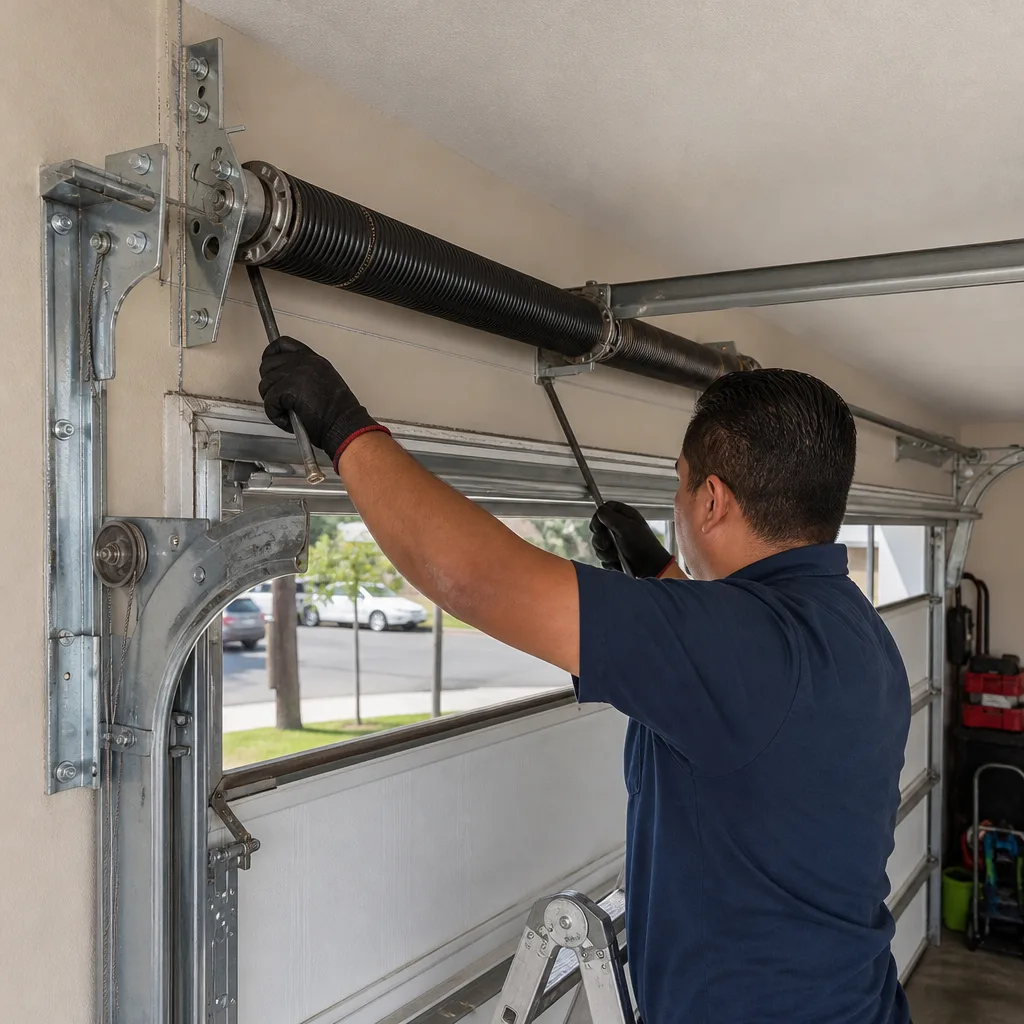
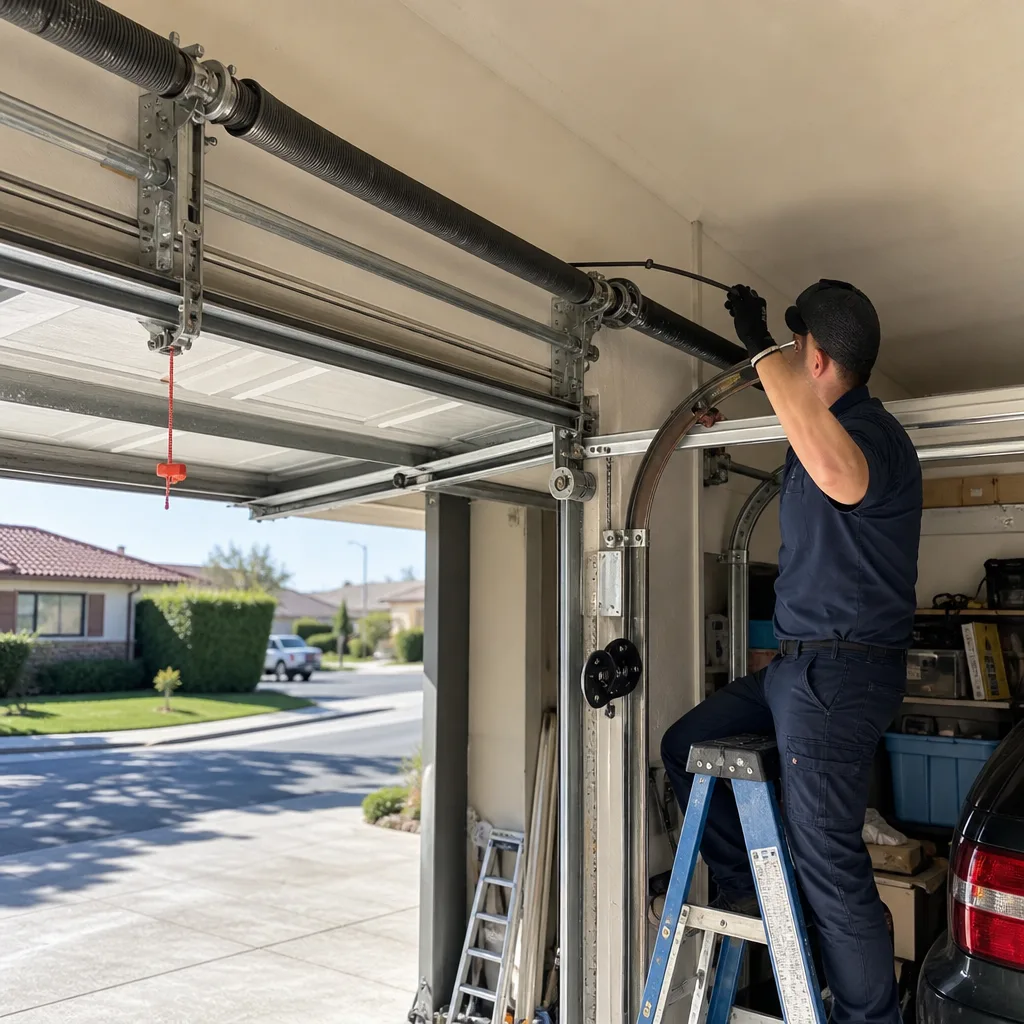
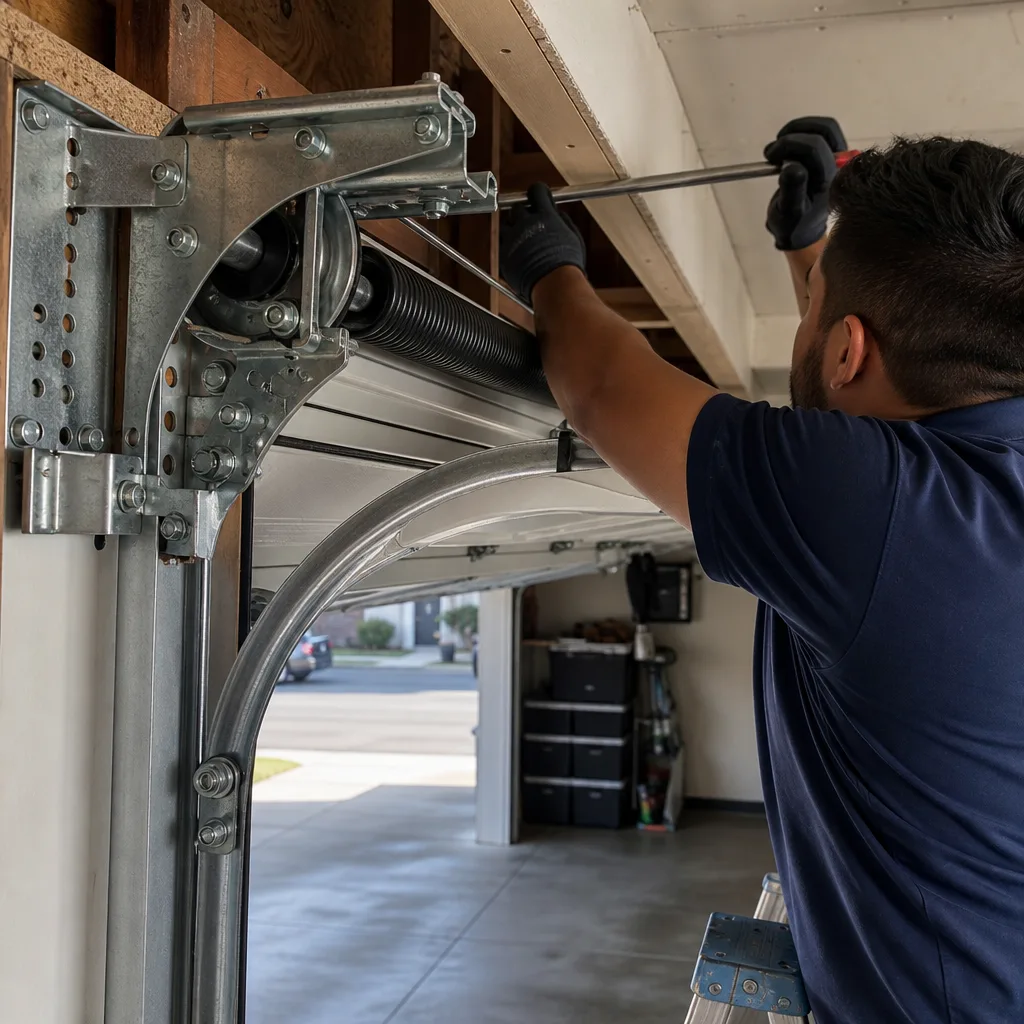
Summer is also when torsion springs break most often in Anaheim. Heat expansion adds minor stress, but the bigger factor is simply that everyone uses their garage door more in summer: kids home from school, weekend projects, visitors coming and going. Springs have a finite cycle life, typically 10,000 cycles for standard springs. In a household where the door opens four to six times a day, that’s around seven to ten years of service. When a spring breaks, the door becomes extremely heavy and often won’t open even with the opener’s full force. The components are under high tension, and attempting a spring replacement without proper training and tools is dangerous. This is a job for a trained professional, full stop.
If you’re planning a full replacement before the next heat wave, our Garage Door Installation in Anaheim team handles new doors from Clopay, Amarr, and Wayne Dalton, with springs rated for higher cycle counts than the standard builder-grade units most Anaheim homes came with.
Year-Round UV Management for Steel and Vinyl Doors
Southern California’s UV radiation is not a summer problem; it’s a 12-month assault. Anaheim averages more than 280 sunny days per year, and that solar exposure breaks down the materials on and around your garage door whether it’s 65 degrees or 105. The two most visible victims are painted steel doors, which fade and eventually chalk, and vinyl or rubber weatherstripping, which hardens and cracks.
For painted steel doors, the protection story depends on when the door was manufactured. Doors from Clopay, Amarr, and other major brands—compared in our Choosing the Right Garage Door Brand: A Buyer’s Guide for Anaheim—now use polyester or silicone-modified polyester paint systems that hold up far better than the alkyd finishes common on doors from the 1990s and early 2000s. But even modern finishes fade eventually, especially on south- and west-facing exposures. You can extend the life of the finish by washing the door every three to four months with mild soap and water, then applying an automotive-grade polymer sealant or ceramic spray coating. This adds a sacrificial UV barrier on top of the factory paint.
Vinyl weatherstripping around the door frame and the bottom seal needs a different approach. Silicone-based rubber treatments, the same type sold for automotive door seals, keep the material supple. Apply it to the bottom seal and the side and top weatherstripping every six months. In Anaheim’s climate, untreated weatherstripping becomes brittle within three to four years, and brittle seals don’t flex or seal properly.
One of the differences we see at Ranger between doors that look good at year eight and doors that look tired at year five is simply this: the homeowner who washes and treats the door surface and seals on a regular schedule gets more useful life from the same materials. It takes 30 minutes, twice a year, and it’s the single highest-return maintenance habit for Anaheim’s high-UV environment.
A Practical Anaheim Maintenance Schedule
Here’s a season-by-season maintenance calendar designed specifically for Anaheim’s climate patterns. Each task is intentionally small, because a checklist you actually do beats a comprehensive plan you ignore.
January to March (Rainy Season)
- Inspect the bottom seal for cracks and gaps after each significant storm.
- Check for water pooling near the garage door line, and determine whether it’s a seal issue or a grading issue.
- Wipe down tracks after windy periods to remove dust and grit.
- Test the auto-reverse safety feature by placing a roll of paper towels in the door’s path.
April to May (Post-Wind, Pre-Heat)
- Run the full lubrication cycle described above: springs, rollers, hinges, opener rail, lock, and bottom seal.
- Clean safety sensor lenses and confirm the indicator lights are solid.
- Check and tighten all visible track bolts and hinge screws.
- Wash the door exterior and apply polymer sealant or ceramic spray.
June to September (Heat Wave Season)
- Keep the area around the opener motor clear for ventilation.
- Monitor for mid-day opener shutdowns, which indicate thermal cutoff activation.
- Apply silicone treatment to weatherstripping to combat accelerated UV breakdown.
- Listen for unusual noise during operation: grinding, squealing, or popping sounds to different problems.
October to December (Santa Ana Season)
- Wipe down tracks and rollers after high-wind events.
- Check weatherstripping for gaps where wind pushes dust into the garage.
- Test the door balance manually to catch weakening springs before they break.
- Check sensor alignment, which wind vibration can shift.
If any of these checks reveal something you’re not comfortable fixing yourself, especially anything involving springs or cables under tension, call a professional. Garage Door Repair in Anaheim from Ranger covers the full range of issues across all major brands, and we quote the price before any work starts.
Common Mistakes to Avoid
- Using WD-40 on everything. WD-40 is a penetrating oil and solvent; it strips away existing lubricant. Use a garage door-specific silicone or lithium spray instead. We’ve seen Anaheim homeowners spray their torsion springs with WD-40 every fall, which actually makes the problem worse over time.
- Winterizing like a Midwest guide says. Applying heavy grease meant for freezing climates just creates a sticky surface for Santa Ana dust to cling to. Match your maintenance to Anaheim’s actual weather pattern.
- Ignoring a noisy door because it still works. Squeaks, pops, and grinding sounds are friction, and friction means wear. A door that’s noisy in March is often a repair call by August. In Anaheim’s dry air, parts don’t get the humidity that masks minor noises.
- Waiting until the first big rain to check the bottom seal. By then, whatever water damage is going to happen is already happening. Check the seal in late October, before the rainy season starts.
- Attempting spring replacement yourself. Torsion springs are under thousands of pounds of tension. The tools and procedures are specialized, and a mistake can cause serious injury. This is the single most dangerous DIY task in a garage, and we strongly recommend leaving it to a trained technician with the right equipment.
- Assuming a reversing door is always a sensor problem. Sometimes it is. But in Anaheim, wind-shifted tracks and dust-coated lenses are the more likely culprits during Santa Ana season, and a door that reverses intermittently can also point to opener logic board issues.
- Replacing the whole door when the seal or rollers are the real issue. A dragging door with worn rollers can feel like a door that’s beyond repair. New rollers and a deep track cleaning often restore smooth operation for a fraction of the cost. A brand-agnostic technician will tell you which one you need.
When to Call a Professional
Some maintenance jobs are DIY-friendly, and this guide covers those. But there are clear thresholds where calling a professional is the right call. A broken torsion spring or snapped cable means the door is under uncontrolled tension; do not attempt to open or repair it yourself. Repeated opener shutdowns during heat waves suggest a failing motor or capacitor, not a ventilation issue. A door that’s off its track, sagging on one side, or won’t move with the opener disengaged has a structural problem that requires replacement hardware and realignment. And if your door is more than 15 years old and you’re repairing something every season, the math may favor replacement over continued patchwork. Ranger Garage Door Service offers free estimates in Anaheim; call (877) 752-4135 and we’ll send a technician who diagnoses the actual problem and gives you honest options, with the price agreed before any work begins.
Frequently Asked Questions
Lubricate your garage door once a year in Anaheim, ideally in spring after the Santa Ana wind season ends and before summer heat arrives. The springs, rollers, hinges, opener rail, and bottom seal all benefit from an annual application of garage door-specific silicone or lithium lubricant. Call (877) 752-4135 and Ranger can do the full lubrication cycle during a routine service visit.
A professional seasonal garage door tune-up in Anaheim typically costs between $89 and $189, depending on the service scope and whether parts like rollers or weatherstripping need replacing. Most companies charge less for a maintenance call than for an emergency repair, and catching issues early saves money in the long run. Call Ranger at (877) 752-4135 for a free estimate on seasonal maintenance for your specific door.
On hot Anaheim days, opener motors can overheat, triggering the thermal cutoff that shuts the unit down to prevent permanent damage. This is more common with older openers or units in garages that lack ventilation or insulation. If it happens once, clear space around the motor and ensure the housing vents are dust-free; if it happens repeatedly, the opener may need repair or replacement.
Yes, a garage door tune-up is worth it even when the door works fine, because most Anaheim garage door failures come from slow-developing issues like worn bearings, drying springs, or hardening seals that don’t announce themselves until they fail. Annual maintenance catches these problems early and extends the life of the door and opener. Consider it akin to an oil change: inexpensive, routine, and far cheaper than the failure it prevents.
You can handle lubrication, cleaning, track wiping, sensor wiping, and visual inspections yourself with no special tools. What you should not do yourself is any work involving torsion springs, cables, or track removal, because these components are under high tension and require specialized training and safety equipment. A good rule: if it requires touching the springs or disassembling the door, call a professional.
For Anaheim’s hot, sunny climate, a steel door with a polyester or silicone-modified polyester finish, insulated core, and UV-stabilized vinyl weatherstripping is the best all-around choice. Brands like Clopay, Amarr, and Wayne Dalton all offer models built for high-UV climates. Ranger works on all major brands and can recommend the right door for your home’s sun exposure and usage. Call (877) 752-4135 for a free consultation and written quote.
The Bottom Line
Seasonal garage door care in Anaheim is not a generic routine you can copy from any national website. It’s a targeted response to four specific local stress patterns: Santa Ana wind grit from September to February, short but intense winter rains, summer heat that strains openers and springs, and year-round UV exposure that eats seals and finishes. The maintenance itself is manageable: a spring lubrication, a fall seal check, a summer ventilation scan, and a bi-annual wash-and-seal treatment. What matters is consistency and knowing which problems to watch for in which months. If a check turns up something you can’t fix safely, or if you just want a professional tune-up and a trained set of eyes, call Ranger Garage Door Service at (877) 752-4135 for a free estimate. One call covers repair, opener repair, and full installation, and we work on your brand, not just our preferred brand.
Written by the team at Ranger Garage Door Service, serving Anaheim since 2018. Explore more guides & resources on our blog.
See the difference
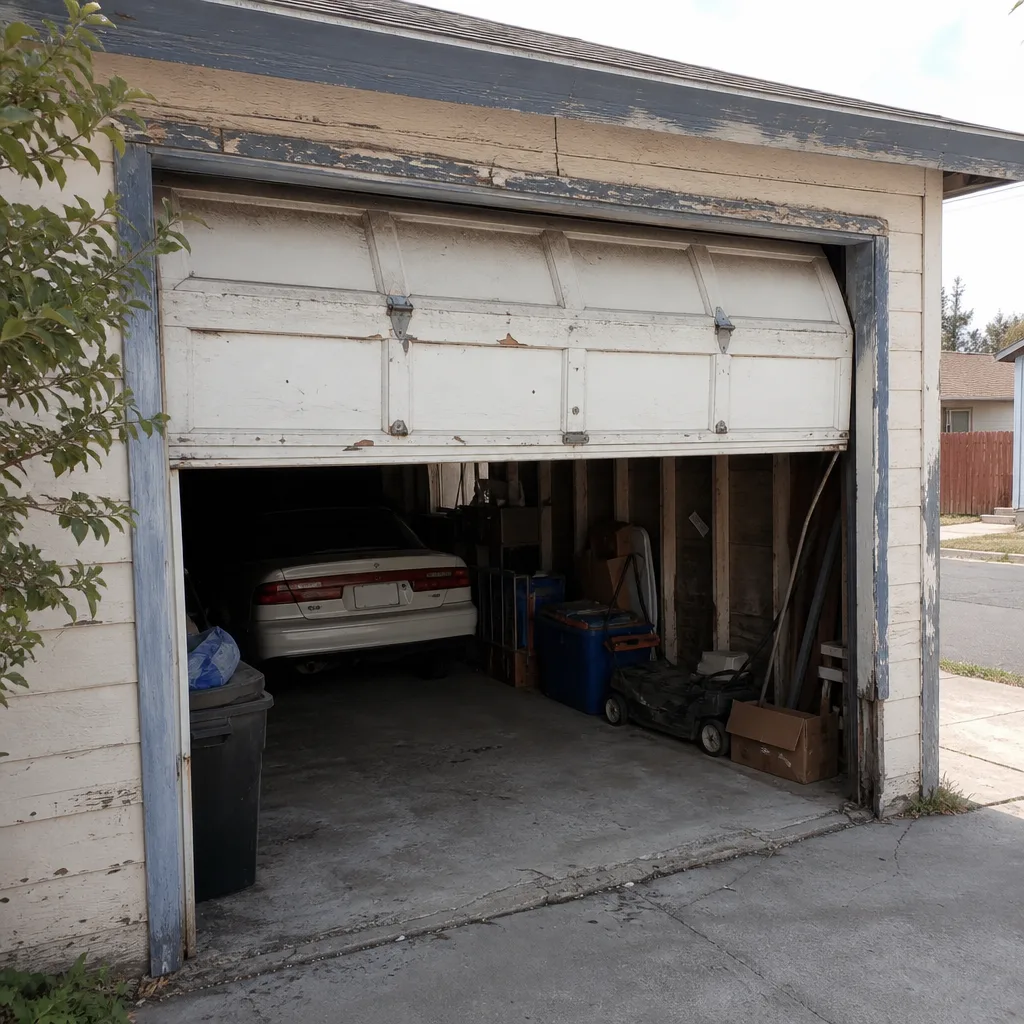 Before
 After
 Before
 After
 Before
 After